
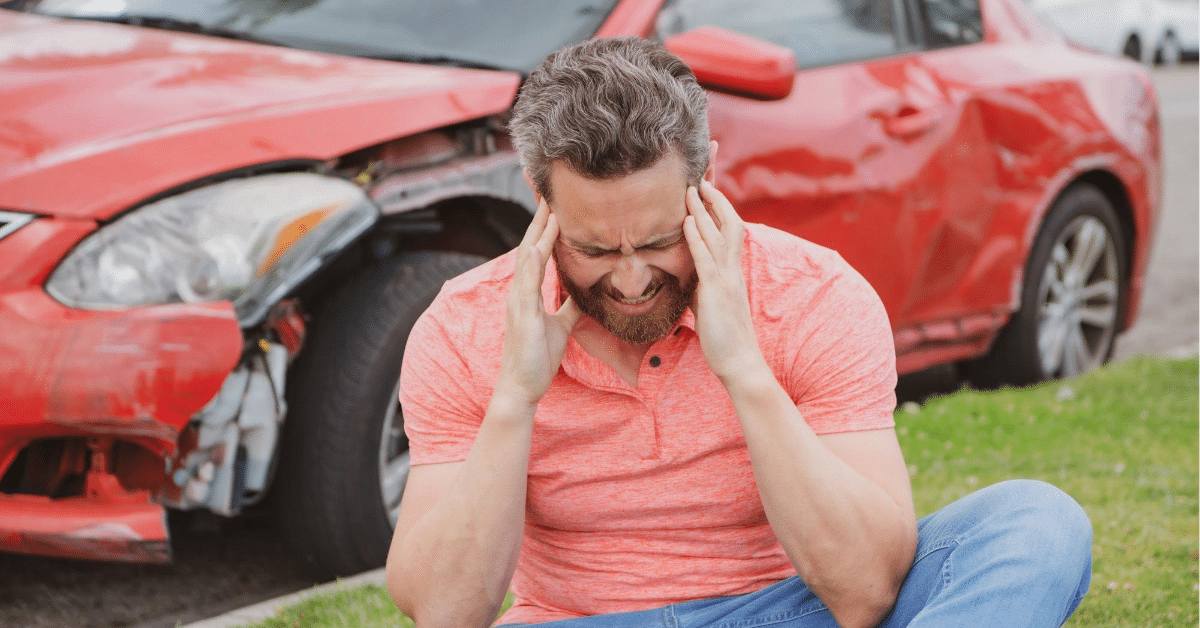
Car accidents can cause physical injuries and significant financial trauma. However, the emotional impact of these accidents sometimes outlasts these other negative effects. In Pennsylvania, you may be able to sue for emotional distress after a car accident related to a physical injury that you suffered in the accident, but it depends on the circumstances and even the type of car insurance that you have.
An experienced attorney from Cousin Benny Personal Injury can help you understand what constitutes emotional distress, how to prove emotional distress, and how much financial compensation you might be able to recover for an emotional distress claim. Contact us today for a free consultation to discuss the legal pathway to make an emotional distress claim.
What Is Emotional Distress?
In Pennsylvania, emotional distress refers to the mental and emotional suffering someone suffers as a result of another person’s actions. To recover compensation for emotional distress in Pennsylvania, the emotional distress must be tied to an underlying physical injury. The emotional distress must be severe.
In personal injury cases, emotional distress is a form of non-economic damages. These damages are not tied to a direct financial value and are more subjective in nature. They include losses such as pain and suffering, reduced quality of life, and mental anguish. These are different from economic damages, which do have a specific dollar amount, such as property damage, medical bills, or lost income.
Why Do Car Accidents Cause Emotional Distress?
Car accidents can be traumatic events. People may worry about their lives and whether they will survive during the incident itself. Then, they must grapple with serious injuries or even permanent disabilities.
Research shows that 10 to 20% of survivors of motor vehicle accidents experience ongoing mental health issues. Those involved in a car accident within the past five years reported significantly greater fears for personal safety, worries about driving, exhaustion, and negative physical and psychological symptoms than drivers who had not been involved in a motor vehicle accident.
Car accident victims often avoid driving and experience irritability, sleep issues, and emotional numbness, often for weeks or months after the accident.
Types of Emotional Distress
Emotional distress can manifest in many ways. To be compensable under Pennsylvania law, emotional distress must be significant enough to disrupt the victim’s life and be directly linked to the defendant’s negligence. Common examples of emotional distress include the following:
- Severe anxiety
- Depression
- Post-Traumatic Stress Disorder (PTSD)
- Panic attacks
- Phobias, including vehophobia (the fear of driving)
- Flashbacks
- Nightmares
- Mood swings
- Sleep disturbances, including insomnia
- Shock
- Fear of being in a vehicle or leaving the house
- Anger, guilt, or emotional numbness
Some victims experience physical symptoms along with emotional distress, such as headaches, nausea, or fatigue.
Pennsylvania’s Limited Tort Insurance and Emotional Distress
A complicating factor of whether emotional distress damages are compensable in Pennsylvania is the state’s choice insurance system. Under this system, vehicle owners select whether they want full tort or limited tort insurance at the time of purchasing their auto insurance policy. The type of insurance you choose can dictate whether or not you can recover compensation for non-economic damages like emotional distress.
Here is more information about each option:
- Limited tort: With limited tort insurance, you can only pursue compensation for economic damages you suffered in the accident, such as property damage, medical expenses, and lost wages. However, if you suffered a serious injury, you can pursue compensation for your non-economic damages, too. As defined by Pennsylvania law, a serious injury is death, significant disfigurement, or impairment of a bodily function. Certain exceptions could also apply, allowing you to step outside the limited tort option, such as if the driver intentionally caused the collision or was driving a vehicle registered out of state. People often choose limited tort insurance in Pennsylvania because it is usually less expensive than full tort.
- Full tort: With full tort insurance, your right to pursue compensation for the full extent of your damages, including for your non-economic damages, is unrestricted. You don’t need to have experienced a serious injury to recover these damages.
Under this system, you may not be able to pursue non-economic damages if you purchased limited tort insurance, you did not suffer a serious injury, and an exception doesn’t apply. Because this issue can be so impactful on your personal injury claim and legally complex, it is best to work with an experienced car accident attorney who can carefully review your insurance policy to determine your legal options.
Financial Compensation for Emotional Distress
Because emotional distress is a form of non-economic damages, there is no set formula to determine its value. Compensation for emotional distress and other non-economic damages is intended to acknowledge that personal injuries can affect people beyond a dollar-and-cents way. Personal injury claims often seek compensation for the negative emotional effects the accident itself causes, as well as the distress that coincides with the injuries, such as the victim being depressed because they can no longer enjoy life in the ways they could before the accident.
How Much Can I Sue for My Emotional Distress?
No specific formula for calculating emotional distress in a personal injury exists. Some insurers use a multiplier method that multiplies a variable by the plaintiff’s economic losses, while courts tend to encourage jurors to consider the value of similar losses in their own lives. As such, the amount of compensation awarded for emotional distress damages can vary widely from one case to the next.
The amount of compensation that you can recover for emotional distress will depend on several factors, including:
Your Actual Expenses
Generally, if you’re eligible for emotional distress damages, you are entitled to recover compensation for the amounts you paid or incurred due to the accident. For example, if you have spent several months in counseling due to your emotional distress, you have the right to recover compensation for what you’ve paid for these medical services. Likewise, if you have been prescribed antidepressant medication, you can recover compensation for the costs of your medicine.
Similarly, if your emotional distress has interfered with your work, causing you to miss work and lose wages, you can seek compensation for those expenses.
The Severity of Your Emotional Distress
A significant factor considered when evaluating an emotional distress claim is its severity. Generally, the more severe the emotional distress, the more valuable the emotional distress claim. For example, if a person suffered severe PTSD following a car accident, their claim might be more valuable than if the condition had less of an effect on the victim.
The Impact That Emotional Distress Has Had on Your Life
Courts and insurance companies can also consider the impact that the emotional distress had on the victim’s life. For example, emotional distress might impair your ability to work, negatively affect your personal relationships, and interfere with your normal activities. In these situations, your claim might be worth more.
Physical Symptoms That You Experience
Sometimes, emotional distress can manifest in physical symptoms, such as headaches, ulcers, or health issues. These symptoms can help establish your emotional distress and the negative impact of it on your life.
How Long You Have Suffered
How long you have suffered also affects the value of your claim. If your distress has lasted for a longer period of time, your claim might be worth more than if it was only temporary.
The Defendant’s Conduct
Courts can also consider the defendant’s conduct in causing your injuries. For example, if they were reckless or intentional, the court might award a greater amount of compensation than for simple negligence.
Evidence to Establish Emotional Distress
Because emotional distress does not show up on an X-ray or MRI the same way that a physical injury does, you will need evidence to prove the existence, severity, and effects of emotional distress on your life. Evidence that may help prove your emotional distress could include the following:
Medical Records
If you sought help from a mental health professional, such as a counselor, psychologist, therapist, or psychiatrist, your medical records from them may help establish your emotional distress and the following:
- Your diagnosis
- When your symptoms began
- Your treatment
- Your response to treatment
- How long your distress continued
Look for records such as:
- Therapy notes
- Psychiatrist evaluations
- Test results
Medical records from your primary care physician can also help note any physical symptoms you have experienced due to your stress, any changes in your mood and sleep, and how your symptoms relate to the accident.
Testimony from Mental Health Experts
In some cases, a personal injury attorney may retain a mental health expert who has a medical background and gives a professional opinion about how car accidents affect victims. They might discuss how the trauma specifically affected you and your long-term prognosis. This testimony may be necessary when insurance companies are trying to deny the existence of emotional suffering or when you need to demonstrate the severity of your emotional distress.
Personal Testimony
Sometimes, the best evidence comes directly from the victim. They can explain how the accident affected them, their ability to enjoy life, and their relationship with loved ones. Your personal testimony might discuss your social isolation, fears of driving, mental health struggles, and other personal effects of the accident.
Statements from Friends and Family
Other people who are familiar with you can also provide valuable testimony about how you have changed since the accident. They can testify about things such as seeing you looking down, being unable to participate in activities, feeling depressed about having to rely on others for assistance, and having mood swings. Friends, family members, and even coworkers might provide this testimony.
A Pain Journal
Your personal injury attorney might recommend that you record your daily struggles in a pain journal. This can be useful evidence since you keep it contemporaneously with when you are experiencing the impact. Details in your journal might include the following:
- Your changing emotions
- Patterns of anxiety or depression
- Medical appointments
- Feelings of despair
- Missed events, activities, or opportunities
- How your personal and professional relationships have been affected
- Emotional changes and mood swings you are experiencing
Employment Records
If your emotional distress has interfered with your work life, your employment records may help provide supportive proof. For example, your employment records may show frequent absences or lost productivity.
Prescription Medication Receipts
Receipts can provide an objective form of evidence. Keep all receipts related to medicine that you take due to your emotional distress, such as:
- Antidepressants
- Anti-anxiety medications
- Sleeping pills
Deadlines on Emotional Distress Claims
Your emotional distress damage claim is subject to the same statute of limitations as the rest of your car accident claim, which is generally two years. This means that you have up to two years to file a personal injury lawsuit against the at-fault driver. If you miss this deadline, you could lose your chance to recover compensation through the court system.
Contact Us Today for a Free Consultation to Discuss Your Emotional Distress Following a Car Accident
Are you suffering from emotional distress after a car accident in Pennsylvania? If so, you may be entitled to compensation for your suffering. The experienced legal team at Cousin Benny Personal Injury takes the time to get to know our clients, providing compassionate and personalized attention so that we can identify how the accident affected your life and all of the damages to include in your personal injury claim. We fight for full and fair compensation for our clients that fully acknowledges the significant impact that the accident has on their lives. Contact us today for a free and confidential case review.