
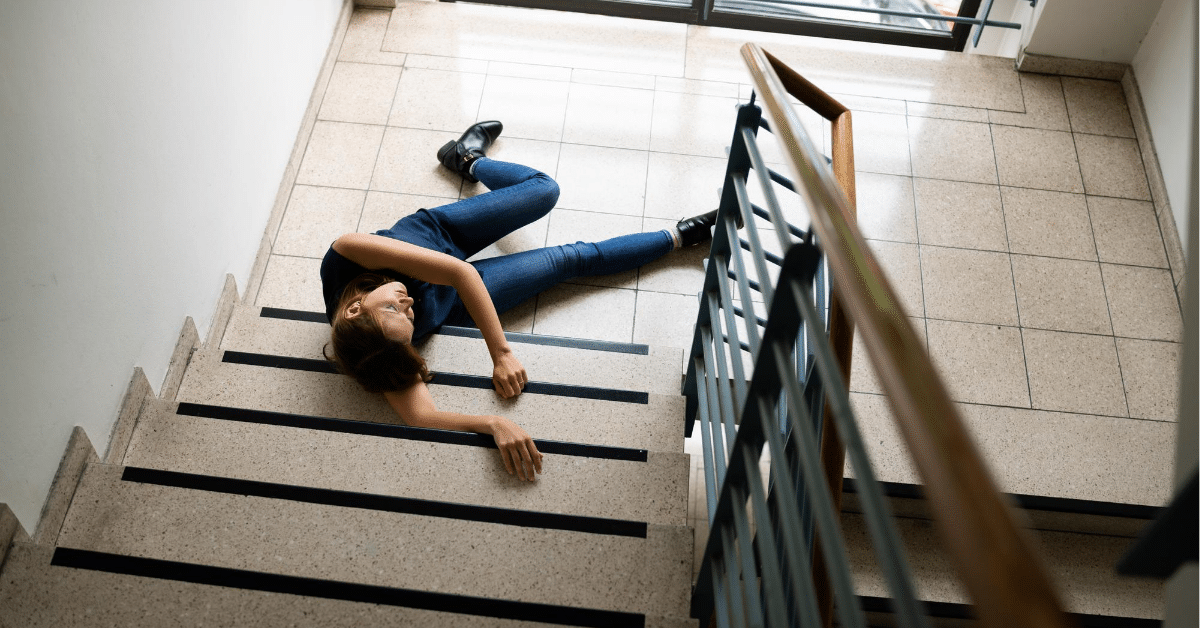
Property owners and landlords have a legal duty to keep their properties safe. If you live in the complex or were visiting and were injured due to unsafe conditions on the property, you could be owed compensation for your medical expenses, lost wages, and pain and suffering. An experienced Philadelphia slip and fall lawyer can help you demand it.
At Cousin Benny Injury Lawyers, we focus on holding negligent parties accountable when their negligence causes injuries to others. We can help you through the legal process, ensuring you understand your legal rights and advocate to protect them. Call us today for a free consultation.
Landlord Responsibilities
In Pennsylvania, landlords have a legal duty to maintain safe living conditions for their tenants and to maintain their properties to avoid foreseeable injuries to visitors. Legal responsibilities of Philadelphia apartment complex owners include the following.
Conduct Routine Inspections
Apartment complex owners and property management companies must regularly inspect the premises to find any potential safety hazards. This includes checking the following areas:
- Stairways
- Hallways
- Elevators
- Entryways
- Common areas
- Parking lots
Make Timely Repairs
If the property owner or manager discovers a hazardous condition, they must fix it in a timely manner.
Warn Visitors and Tenants
If there is not sufficient time or opportunity to correct a dangerous condition on the property, the property manager should still warn others about the condition to prevent injury, such as by putting up signs about the known hazard.
Comply with Building Codes
Philadelphia building codes exist to protect residents and others in properties throughout the city. For example, if a property manager does not provide for fire escapes, people could get seriously injured or killed in an apartment fire.
Additionally, property owners are required to design, install, and maintain stairwells in compliance with Philadelphia building codes.
Provide Adequate Security
Philadelphia property owners and managers can sometimes be held responsible for the intentional and criminal acts of others. For example, if a criminal vandalized a property that led to a slip and fall, the property owner might be responsible for it if they failed to provide sufficient security.
If an apartment complex fails to meet any of the responsibilities described above and someone slips and falls due to the failure, it could be liable for those injuries.
Responsibilities for Common Areas
Landlords can be held liable for negligence in maintaining common areas, such as failing to remove snow or ice from a walkway under Pennsylvania law. One of the most important legal duties that apartment complexes have is to maintain common areas. While individual tenants are responsible for maintaining their individual units, property owners are required to maintain common areas, such as:
- Stairs
- Stairwells
- Walkways
- Sidewalks
- Hallways
- Parking lots
- Facilities
This legal duty also requires them to remove snow and ice.
If the landlord fails to uphold this legal obligation, they may be responsible for resulting slip-and-fall injuries.
Common Causes of Slip-and-Fall Accidents in Apartment Complexes
Apartment complex slips and falls can occur for various reasons, such as:
Wet Floors
Wet or slippery floors in the management building, common areas, or stairwells can lead to slips and falls. Floors may be wet due to recent cleanings, polishes, substances that were not cleaned up, or weather.
Snow or Ice Accumulation
If snow and ice are not quickly removed, they can accumulate, creating icy patches. Visitors and tenants can also track them in, creating a slip-and-fall hazard for other tenants. State and city law require property owners to properly clear common areas after a snowfall.
Damaged Floors
Floors can be damaged in many ways, such as:
- Loose tiles or floor boards
- Frayed or worn-out carpeting
- Holes or cracks
These problems can lead to preventable slips and falls for tenants and visitors alike.
Other Flooring Issues
In addition to the maintenance-based issues described above, floors, steps, and sidewalks can be uneven. There could be floors at different heights and no transitions, leading to unexpected hazards.
Broken or Poorly Maintained Stairways
Stairways can be one of the most dangerous locations in apartment complexes. Slip-and-fall accidents can occur due to conditions such as:
- Uneven steps
- Stair risers that are too high
- Buckled carpeting
- Slippery or wet stairs or landings
- Loose or missing handrails
- Broken railings
- Stairways that don’t adhere to building codes
- Poor lighting
- Stairs cluttered with debris
Falls from stairs can cause head injuries, traumatic brain injuries, spinal cord injuries, and other serious injuries.
Structural Failures
If a building is not built in adherence to relevant building codes, its entire structure can collapse. Parts of the structure can also collapse due to poor maintenance, such as leaky roofs.
Poor Maintenance
Leaking pipes and other plumbing issues can cause water to accumulate, leading to slips and falls. Collapsing ceilings, broken light fixtures, or failing window units can also cause injuries to tenants and visitors.
Defective Walkways or Parking Lots
Defective walkways or parking lots can be due to negligent maintenance or issues such as:
- Cracked concrete
- Poor drainage
- Uneven pavement
- Potholes
These conditions contribute to many slip-and-fall accidents at apartment complexes each year.
Inadequate Lighting
When there is insufficient lighting, people cannot see hazards, increasing the risk that they will slip and fall.
Fire Hazards
Failure to provide proper fire prevention measures, such as smoke detectors or fire extinguishers, or maintain clear exits, can lead to slips and falls as tenants rush out of a burning apartment complex.
Elevator Problems
Apartment complexes are required to regularly inspect elevators on their property and can be held liable when mechanical failures on them cause falls or other injuries.
Dog Bites and Animal Attacks
If a tenant’s dog injures someone in a common area, causing the victim to fall, the property owner may share liability with the dog owner.
Negligent Security
A property owner’s failure to provide adequate security can allow criminals to enter the property, push tenants, and injure them. Tenants could also be harmed by debris left during the crime, such as broken glass. Apartment complexes may be required to provide security measures such as:
- Functional locks
- Working gates
- Controlled access to the property
- Adequate lighting
- Cameras
- Security guards
Evidence to Prove Negligence
To win a successful slip-and-fall claim against an apartment complex, you must be able to show the following legal elements:
- The property owner or landlord had a duty of care to maintain the property.
- The property owner or landlord knew about or should have known about the hazardous condition but failed to adequately address it.
- The hazardous condition directly caused your injury.
- You suffered actual damages, such as medical bills or lost income.
Here are some examples of evidence that may help you prove your slip-and-fall case:
- Duty: Building codes, contracts, lease agreements, and verbal agreements
- Knowledge and breach of duty: Written reports providing notice of the hazardous condition, inspection reports, and maintenance records
- Causation: Video surveillance footage, photos of the accident scene, and witness testimony
- Damages: Medical records and bills, lost wage statements, pain journal entries, and receipts
Who Can File a Claim for a Slip and Fall at an Apartment Complex
Anyone who had a legal right to be on the property could potentially have valid grounds to file a premises liability case after slipping and falling at an apartment complex, such as:
- Tenants
- Visitors
- Guests
- Vendors
- Contractors
- Maintenance workers
- Delivery drivers
- Mail carriers
- Meter readers
These parties could recover compensation if they can show the legal elements described above.
The property management company or owner may have additional duties that it owes to tenants that are outlined in the rental agreement.
Who Is Legally Responsible for Slip-and-Fall Accidents on Rental Properties?
Various parties could potentially be legally liable if a slip-and-fall accident occurs at the apartment complex. Depending on the circumstances and contractual obligation, these parties may include the following:
- Property owners
- Property management companies
- Maintenance contractors
- Security companies
- Other tenants or visitors
- Manufacturers of defective products
Financial Compensation You Can Recover in a Slip-and-Fall Claim
If you were injured in a slip and fall that wasn’t your fault, you may be able to recover compensation for the following damages you sustained:
- Medical treatment and associated costs, including hospital visits, surgeries, rehabilitation, physical therapy, medication, and future medical expenses
- Lost wages if you were unable to work due to your injuries
- Reduced earning capacity if your long-term earnings are affected by your injuries
- Physical and emotional pain and suffering
- Permanent disabilities and impairments
- Reduced quality of life
Contact a Slip-and-Fall Accident Attorney Today
You should feel safe while living in or visiting an apartment complex. However, if you were injured due to unsafe conditions on the property, you should be properly compensated for your economic and non-economic losses. Our experienced personal injury attorneys can help fight for the compensation you are due. Contact us today for a free consultation to discuss your legal rights and options.
Related:
Philadelphia Workplace Accident Lawyers
Workplace Accidents in Philadelphia: When You Can Sue Someone Other Than Your Employer
