
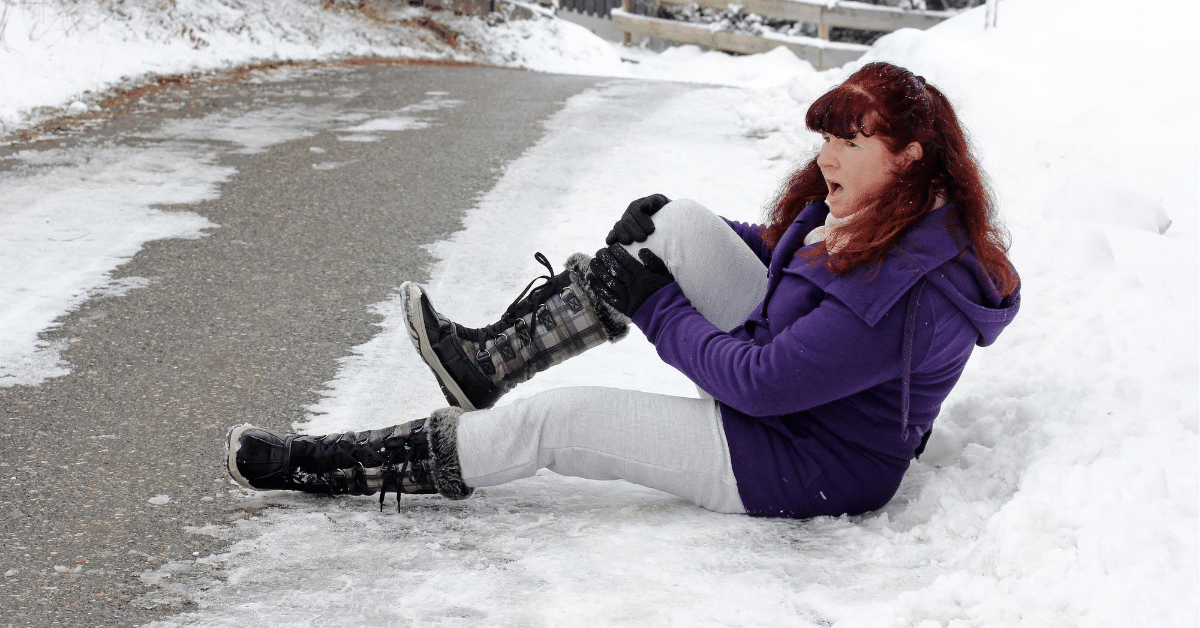
Philadelphia and other areas of the northwest are often subject to harsh winters, often resulting in several inches of snow and ice repeatedly throughout the season. It’s not uncommon in Philadelphia to deal with a snowstorm of more than one foot. During these storms, snow and ice may accumulate on sidewalks, posing a danger to individuals.
Parking lots, walkways, and sidewalks can become hazardous and slippery from all this snow and ice, leading to potential slips and falls. If you were injured in a slip-and-fall accident, an experienced attorney with Cousin Benny Personal Injury can review your case, explain the legal theories that apply, and identify the parties responsible for your injuries. Contact us today to get started with a free case review.
Common Causes of Slip and Fall Accidents During Philadelphia Winters
Winter weather can pose many potential hazards, including ice, snow, freezing rain, black ice, and wind. This winter weather can create treacherous conditions.
Some common causes of slips and falls during the winter months include the following:
- Icy sidewalks and walkways
- Iced-over subway entrances and exits
- Slick subway platforms
- Accumulated snow
- The presence of black ice
- The melting and refreezing of ice
- Uncleared pathways
Depending on the circumstances, these dangerous conditions may provide legal grounds for making a premises liability claim.
Property Owner Responsibility for Snow and Ice Removal
Various rules, statutes, and common practices can apply to cases involving snow and ice in Pennsylvania, including the following:
Premises Liability Principles
Premises liability refers to a property owner’s responsibility to maintain their property. Generally, property owners have a legal duty to protect visitors from defective and dangerous conditions. This may include removing snow and ice.
In premises liability cases, the question of liability often centers on what is reasonable under the specific circumstances. Pennsylvania law does not require property owners to keep all areas free from snow and ice at all times, as this would be unrealistic given the frequent snowfalls in the area. Instead, landowners may be required to act within a reasonable time after receiving notice that weather conditions have created a dangerous condition on the property.
General Guidelines Regarding Sidewalk Maintenance
Pennsylvania law establishes who is responsible for maintaining sidewalks depending on their location and specific circumstances. Property owners, including both commercial and private, are generally responsible for maintaining sidewalks adjacent to their land. Commercial property owners typically have a heightened duty of care because they invite the public onto their property for their own economic benefit.
Even though the city owns the sidewalk, the law requires adjacent property owners to maintain safe conditions on the property. This typically requires them to:
- Regularly inspect for hazards, such as cracks, uneven surfaces, and debris on their sidewalks
- Promptly remove snow and ice within a reasonable time after a storm
- Repair known defects that could cause injuries to visitors
Property owners must generally remove ice and snow from all public walkways, ramps, stairs, and parking areas. Homeowners are responsible for clearing the sidewalk in front of their homes.
Philadelphia Code 10-270
Philadelphia Code 10-270 is a local ordinance that requires building owners, agents, and tenants to clear a path of at least 36 inches wide on sidewalks in front of their buildings within six hours after the end of the snowfall. Snow and ice cannot be placed in the street.
Under the ordinance, the following parties are responsible for snow and ice removal:
- Multifamily dwellings: The owner or agent of the property
- Rental communities: The owner or agent of the property, not the renters
- Homeowners: The homeowner, including the sidewalk in front of their home
- Retail businesses: The owner, including the walkways, ramps, stairs, and parking areas
Individuals who violate the law may be subject to fines, as well as civil liability for accidents.
Hills and Ridges Doctrine
The Pennsylvania Hills and Ridges Doctrine requires property owners to take reasonable steps to deal with accumulated snow and ice. Under this doctrine, property owners can be held liable for slips and falls if they fail to properly maintain their property and allow hazardous conditions to remain on the property.
Property owners are generally not liable just because the grounds are slippery. Property owners are generally liable for slip-and-fall accidents that occur on their property when hills and ridges have been able to form.
When natural accumulations of snow have been allowed to remain for an unreasonable amount of time, hills and ridges are formed by freezing, melting, and re-freezing. When fresh snow falls, these areas may appear flat, which can lead to slips and falls. Property owners can be held liable for them.
You must be able to satisfy the following legal elements to recover compensation pursuant to the Hills and Ridges Doctrine:
- Ice or snow accumulation on hills, ridges, and other elevated features of a property presents an unreasonable risk of harm.
- The property owner had actual notice of the hazardous condition or should have been aware that it existed.
- The unreasonably dangerous accumulation of snow and ice was the actual and legal reason for the victim’s slip and fall injury.
An experienced slip and fall lawyer from our firm can review your case, determine if this legal doctrine applies, and analyze if any exceptions exist that provide a basis for legal liability.
Natural Accumulation Rule
Pennsylvania’s Natural Accumulation Rule sets a standard for how long a property owner will have to remove ice and snow from their property. Owners are generally not required to remove snow and ice while it is falling. The amount of time that is reasonable to remove ice and snow will depend on the specific circumstances, including the duration of the storm, the property size, and other factors.
Ice or Snow Removal Companies
In many situations, businesses or private parties hire snow or ice removal companies to carry out their legal responsibilities. The contract between the property owner and ice removal company may state that the company must indemnify or defend the property owner if the property owner is sued for injuries caused by ice or snow.
Suing the City of Philadelphia
Under some circumstances, the city may be responsible for your winter slip and all injuries. In these cases, the Political Subdivision Tort Claims Act governs when you can sue a city or municipality for injuries that occur on public property. Generally, the city can be held liable when it is responsible for creating dangerous conditions or it fails to remedy known hazards within a reasonable timeframe, the latter of which requires you to prove the city had actual notice of the hazardous condition and sufficient time to fix it.
Given the complexity of these types of cases, you should work with a snow & ice accident attorney who can offer you legal advice and guidance throughout the legal process.
Financial Compensation You Can Recover from a Slip and Fall Claim
Through a personal injury claim, you can seek compensation for the full extent of your injuries, including:
- Medial expenses
- Lost wages
- Reduced earning capacity
- Property damage
- Pain and suffering
Insurance adjusters will try to minimize the value of your claim, so it’s essential you work with an experienced personal injury attorney who knows how to account for all of your damages.
Evidence to Gather to Prove Liability
Because the ice and snow will quickly melt, it’s essential that you document the accident. If possible, take pictures or videos of the following:
- The accumulation of snow and ice
- The different heights of snow and ice, which may indicate melted and refrozen snow
- Snow and ice-covered sidewalks
- The lack of warning signs and snow removal equipment
- Your injuries
Note the presence of any surveillance cameras that may have recorded the actual slip, trip, and fall. If any witnesses were present, ask for their names and contact information. Witness statements can help strengthen your slip and fall claim because they come from objective observers who have nothing to gain by lying about what happened.
You should also seek medical attention after your accident so that your injuries can be properly diagnosed and treated. Keep all of your medical records, which can indicate the type and cost of your medical care, as well as connect your injuries to the slip and fall accident.
Contact our slip and fall personal injury lawyers for additional assistance in gathering the evidence you need to help prove your legal claim.
Contact Our Snow and Ice Accident Attorneys for a Free Case Review
If you slipped and fell in the snow in Philadelphia, you may be entitled to have your medical bills and other expenses paid for if your injuries were caused by property owner negligence. Our Philadelphia slip-and-fall lawyers can help identify the legal avenues for financial recovery and fight for the compensation you deserve. Contact us today for a free consultation.
Related:
Slip and Fall Accidents in Philadelphia Apartment Buildings
Philadelphia Workplace Accident Lawyers
Workplace Accidents in Philadelphia: When You Can Sue Someone Other Than Your Employer