
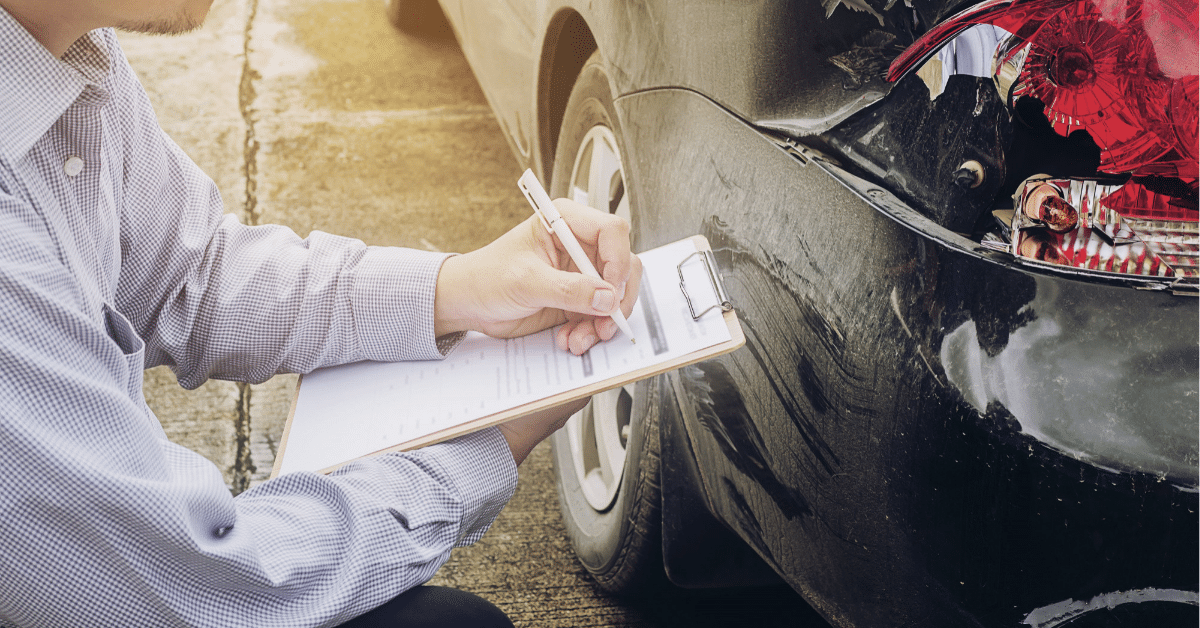
Being involved in a car accident can be distressing, but it’s even more so when a rental vehicle is involved. Reviewing details involving rental car insurance, understanding liability, and dealing with a complex legal process multiply the complexities of your case, all while you are dealing with painful injuries.
An experienced attorney from Cousin Benny Personal Injury can help explain the legal process to you. We can get to the bottom of your case, identify who is responsible for the damages, and pursue compensation for the damages you’ve sustained. We can explain who pays after a rental car accident in Philadelphia during your free case review.
Pennsylvania Car Insurance Laws
Pennsylvania’s auto insurance laws are unique from every other state because motorists determine how they want the claims process to work before an accident when they purchase their insurance. Pennsylvania law gives them two options for auto insurance: limited tort or full tort insurance.
With the limited tort option, motorists limit their right and the right of their household members to seek financial compensation for injuries that other drivers cause. After an accident, the injured victims can seek compensation for their medical and other out-of-pocket expenses from the at-fault driver, but they cannot seek compensation for their pain and suffering or other nonmonetary damages unless they’ve suffered a serious injury or their case qualifies for an exception.
With full tort insurance, the accident victims can seek compensation for all of their damages, including pain, suffering, and other non-economic damages. Their right to seek damages is unrestricted, but insurance premiums are usually more expensive for this option, which is why some people choose to purchase only limited tort insurance.
In either case, the injured victims can make a claim with their own insurance, such as Personal Injury Protection (PIP/no-fault insurance) or collision insurance, or file a third-party claim with the at-fault driver’s liability insurance provider. All Pennsylvania drivers are required to maintain minimum liability coverage to pay for damages they cause others due to their negligence. The minimum required amounts are:
- $15,000 in bodily injury coverage for one person
- $30,000 in bodily injury coverage for more than one person
- $5,000 in property damage coverage
Additionally, all drivers must also have at least $5,000 in medical benefits coverage that pays for medical bills for the insured driver and others covered by the policy.
Determining Who Is at Fault for a Rental Car Accident in Pennsylvania
To determine who is responsible for paying for damages stemming from a rental car accident, it may be necessary to investigate and determine the cause of the accident. Some common causes of rental car accidents in Philadelphia include the following:
- Unfamiliarity with the rental vehicle, how it handles, and its safety features
- Distractions caused by infotainment systems, cell phones, or GPS units
- Fatigue due to traveling or driving for long hours
- Reckless driving because the driver doesn’t own the vehicle, so they may take more risks than they would with their personal vehicle
- Drinking and driving while on vacation
- Inclement weather when motorists do not know how to navigate the roads during Philadelphia snow or ice storms
- Maintenance problems due to deferred maintenance or not knowing about the issue because multiple drivers have operated the vehicle
Because the drivers may have different accounts of the accident, an investigation may be necessary to determine fault. This investigation may consider:
- The statements and findings that law enforcement officers made in accident reports
- Witness statements
- Videos from dash cams, traffic cameras, or surveillance cameras
- The damage to each vehicle
- Photos of the accident scene and damage to all involved vehicles
An experienced personal injury lawyer can help gather the evidence you need to establish fault in your accident.
Rental Car Insurance in Pennsylvania
Pennsylvania’s auto insurance laws discussed above still generally apply to accidents involving rental cars. However, you may be legally responsible for damages you cause while in the rental vehicle, depending on the type of insurance you purchased and the terms of your rental agreement with the rental company.
Rental companies will generally offer the following types of insurance:
- Collision damage waiver: A collision or loss damage waiver waives financial responsibility if the car you rent is damaged or stolen during your rental period. It also covers the insurance company’s loss of use if the vehicle can’t be rented out due to the damages.
- Personal accident insurance: Personal accident insurance coverage pays for your and your passengers’ medical bills if you get in an accident.
- Supplemental liability protection: Supplemental liability protection provides additional insurance coverage to pay for the damages you cause to someone else while you’re in the rental car if your regular liability insurance is insufficient to pay for those damages.
- Personal effects coverage: Personal effects coverage pays for damage or replacement of personal property that was damaged or stolen from the rental vehicle.
These additional insurance policies are optional, so whether this insurance will cover your losses depends on the types of losses you incurred and the types of insurance you paid for at the time of the rental.
Other Insurance Policies That Might Apply in the Event of a Rental Car Accident
One of the complicating factors related to rental car accidents is that multiple insurance policies may apply. You may be required to make a claim with one insurance company before another will process your claim. Insurance companies might also have the right to seek reimbursement from other companies after they pay on a claim.
Insurance policies that might apply other than rental company insurance may include the following:
Liability Insurance
Your personal auto insurance policy may cover you when you are in a rental vehicle, including your liability coverage, which pays for the damage you cause to someone else.
Collision and Comprehensive Insurance
You may have collision and comprehensive insurance through your own auto insurance policy that might cover damage to a rental car. Collision coverage pays for damage to the vehicle that occurs in an accident with another vehicle or a fixed object. Comprehensive insurance covers other damage to the vehicle caused by factors other than a collision, such as hail or fire.
Personal Injury Protection
Personal injury protection pays your medical bills and certain other out-of-pocket expenses regardless of fault and is included in your auto policy.
Credit Card Insurance
Your credit card company may offer secondary coverage that kicks in after your primary coverage pays its share. However, this insurance typically only covers your own damages, not those you cause to another vehicle.
Additionally, you must have used that card to pay for the rental. Sometimes, you may have to reject the insurance coverage from the rental company for credit card insurance to apply.
Health Insurance
You might be able to use your health insurance to pay your medical bills, but your health insurance company might be entitled to reimbursement for the
Other Insurance
Other types of insurance that you may be able to purchase before renting a vehicle may include insurance from:
- Your homeowner’s insurance policy
- Your renter’s insurance
- Travel insurance
- Non-owner auto insurance
- Third-party policies
Review your applicable coverage before purchasing rental insurance.
What to Do After a Rental Car Accident
If you were involved in an accident while driving a rental car, take these steps to protect your legal rights:
Get to Safety
Get out of the path of traffic if the vehicle is operable to avoid additional accidents.
Check for Injuries
Check yourself for injuries, followed by your passengers. Then, check the occupants in the other vehicle.
Report the Accident
Call 911 to report the accident. Wait for the police to respond. When talking to the responding law enforcement officer, don’t admit fault. Avoid speculating, and stick to the facts.
Police can document the scene and prepare an official accident report, which you will need to file your personal injury claim.
Document the Accident Scene
Document the accident scene by noting and taking pictures of the following:
- The location of each vehicle
- Nearby traffic signs
- Cross streets
- Skid marks
- Road and weather conditions
- Your injuries
Exchange Information
Ask the other driver for their name, contact information, vehicle information, and insurance information. Also, request the names and contact information for all witnesses.
Notify the Rental Car Company
Inform the rental car company of the accident and follow its instructions on what to do with the damaged vehicle.
Seek Medical Attention
If you were not taken to the emergency room by ambulance, seek medical attention immediately. Follow your doctor’s instructions for treatment.
Contact an Experienced Personal Injury Lawyer
An experienced car accident lawyer can help sort out liability and walk you through the insurance claims process.
Contact Cousin Benny Personal Injury to Discuss Your Rental Car Case
If you’re injured in an accident involving a rental car, an experienced rental car accident lawyer from Cousin Benny Personal Injury can help. Contact us today for a free case review.
Related:
- Do You Need to File a Car Accident Report in Pennsylvania? Here’s What the Law Says
- How Long Do You Have to File a Personal Injury Lawsuit in Pennsylvania?
- What If You’re Injured While Riding an E-Scooter or E-Bike in Philadelphia?
- What Injuries Lead to the Highest Car Accident Settlements in Pennsylvania?
